
Introduction
For many young girls in rural Bangladesh, menstruation is surrounded by silence, stigma, and misinformation. This silence often leads to unhealthy practices, shame, and missed school days. What should be a natural part of life becomes a barrier to education and confidence. ROOT NGO recognized this challenge and decided to act. Through its menstrual health awareness programs, ROOT is breaking the silence and helping schoolgirls manage their periods with dignity and knowledge.
The Hidden Struggles
In communities where open conversations about menstruation are rare, girls often rely on myths or unsafe practices. Many use unhygienic materials, which can cause infections and discomfort. The lack of proper facilities in schools—such as clean toilets and disposal systems—adds to the problem. As a result, absenteeism rises, and girls fall behind in their studies. These struggles are not just about health; they affect education, self‑esteem, and future opportunities.
ROOT’s Initiative
ROOT launched its menstrual health awareness project to tackle these issues head‑on. The program combines education, product distribution, and community involvement.
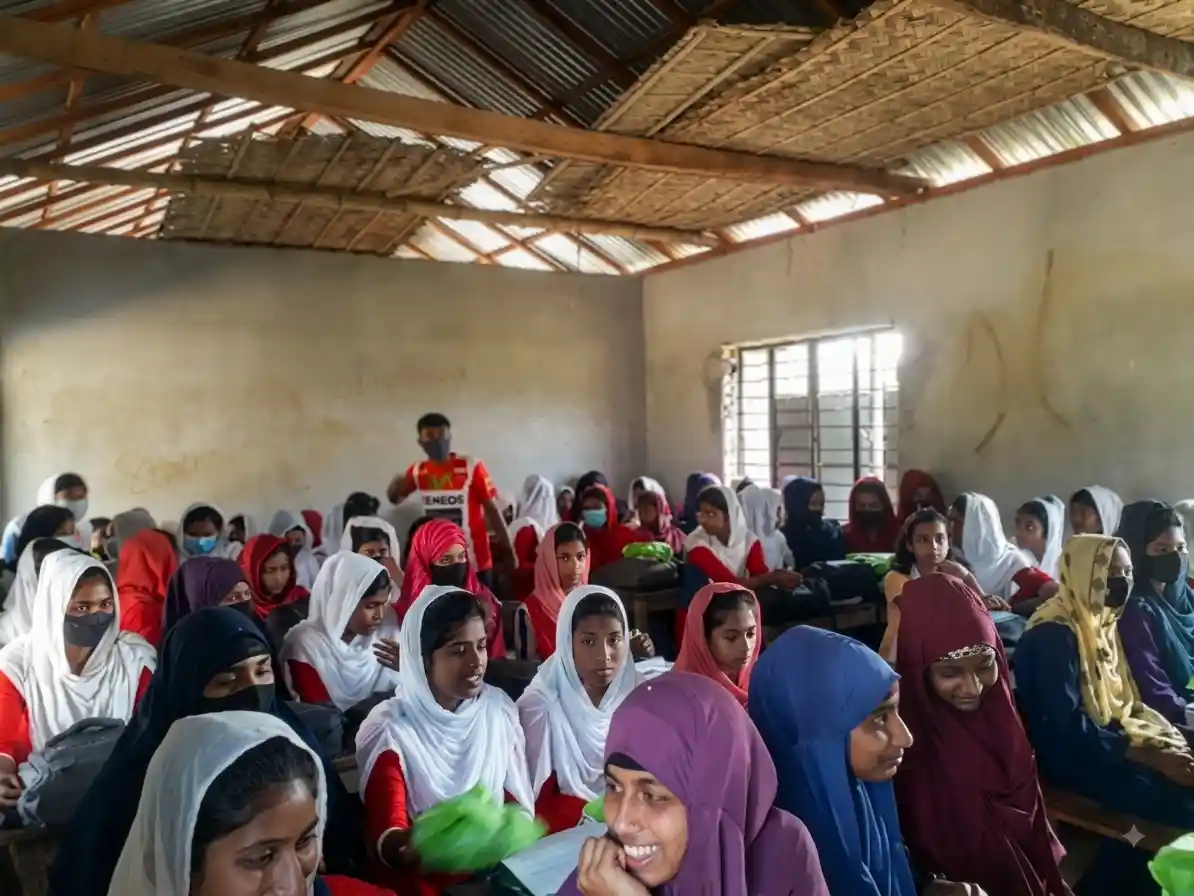
- Educational Workshops: ROOT organizes interactive sessions in schools where girls learn about menstrual hygiene, nutrition, and safe practices. These workshops also challenge myths and encourage open discussion.
- Sanitary Napkin Distribution: To ensure access, ROOT provides free or low‑cost sanitary napkins. Collaborations with local manufacturers and NGOs make this effort sustainable.
- Teacher and Parent Training: ROOT trains teachers to guide students and engages parents to foster supportive conversations at home. This reduces stigma and builds trust.
- Health Camps and Counseling: Periodic check‑ups with doctors and counselors help girls address health concerns and manage stress related to menstruation.
- Improved Facilities: ROOT works with schools to install hygienic toilets, clean water systems, and safe disposal methods for sanitary products
Impact on Education and Confidence
The results of these efforts are already visible. Girls who once missed classes during their periods now attend school regularly. They feel more confident and less ashamed, knowing they have the knowledge and resources to manage their health. Teachers report more openness in classrooms, and parents are beginning to break the silence at home. By reducing absenteeism, ROOT is not only improving health but also protecting the right to education.
Building a Supportive Society
ROOT’s work goes beyond individual girls. By involving teachers, parents, and communities, the organization is creating a culture where menstruation is no longer taboo. This cultural shift is essential for long‑term change. When society supports girls during this natural stage of life, it empowers them to pursue education, careers, and leadership roles without unnecessary barriers.
Conclusion
Breaking the silence around menstruation is more than a health initiative—it’s a step toward equality and empowerment. ROOT’s menstrual health awareness program shows how simple actions like education, access to sanitary products, and supportive conversations can transform lives. By giving girls the confidence to manage their periods safely, ROOT is ensuring that menstruation is no longer a reason to miss school or feel ashamed. Instead, it becomes a normal part of life, handled with dignity and care.