
In many rural corners of Bangladesh, poverty is more than just a lack of money—it’s a barrier to education, healthcare, and opportunity. Families often struggle to meet basic needs, and children grow up without access to the tools that could change their futures. Yet, in the midst of these challenges, one organization has been steadily planting seeds of hope. Rural Opportunities Outreach and Transformation (ROOT) is proving that poverty does not have to define a community’s destiny. With a vision rooted in empowerment, ROOT is turning hardship into possibility.
Understanding the Challenge
Jhenaidah district, where ROOT began its journey, reflects the struggles of countless rural areas. Limited schools, poor healthcare facilities, and scarce job opportunities keep families trapped in cycles of deprivation. Women and children, in particular, face social and economic barriers that prevent them from reaching their full potential. Poverty here is not just financial—it is social, cultural, and generational.
ROOT’s Approach
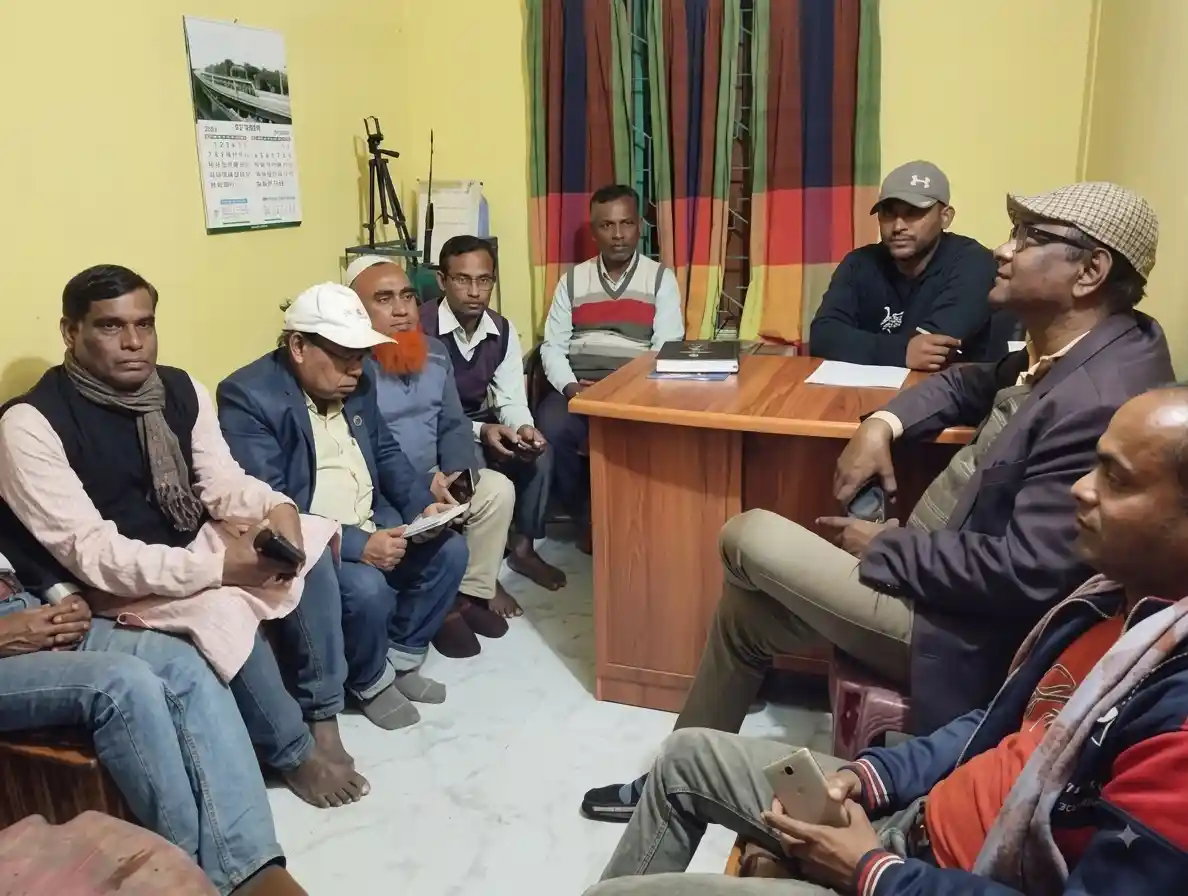
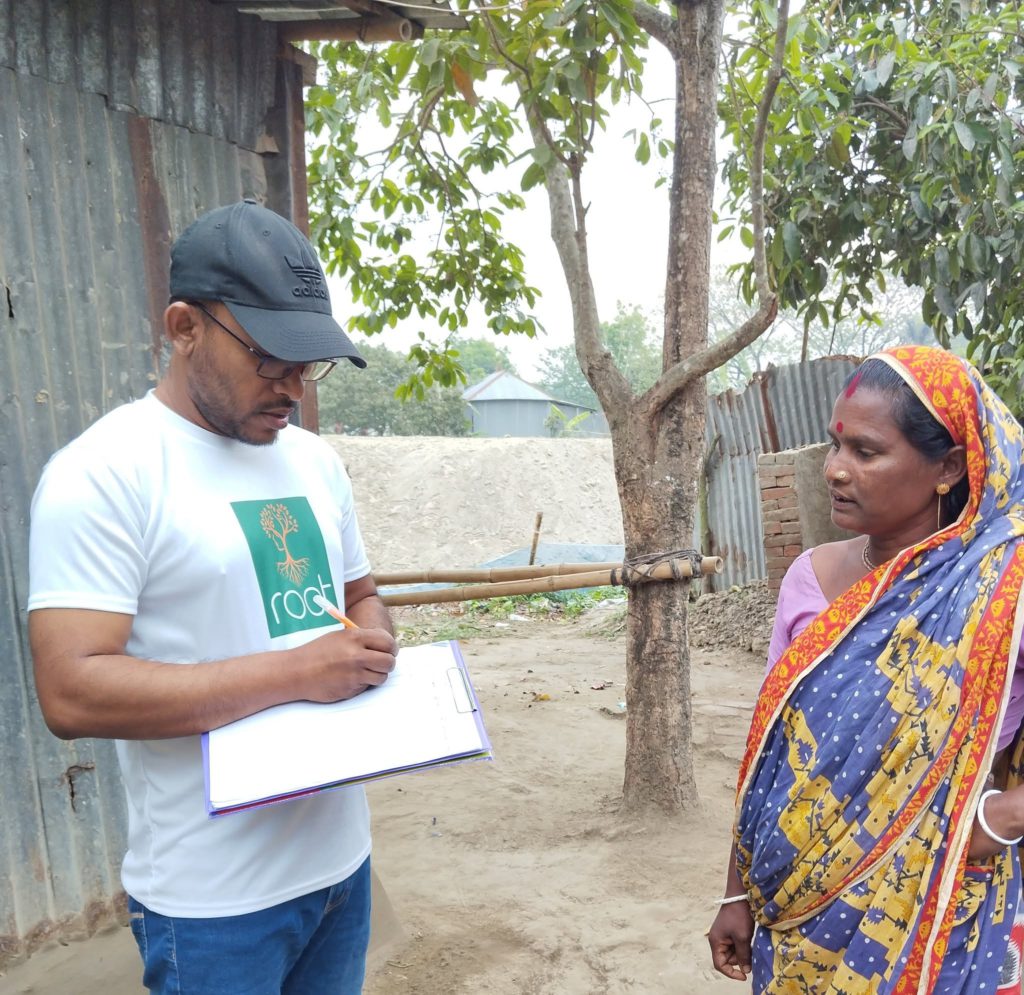
ROOT was founded in 2006 with a simple but powerful idea: communities can solve their own problems when given the right support. Instead of charity handouts, ROOT focuses on empowerment. Their programs bring villagers together to discuss challenges, share ideas, and take collective action. This participatory model ensures that solutions are not imposed from outside but built from within.
Education is one of ROOT’s strongest pillars. By creating opportunities for underprivileged children to access quality schooling, ROOT helps break the cycle of poverty at its root. Beyond classrooms, they also provide skill development training for women and youth—covering areas like handloom, horticulture, and livestock. These skills translate into income, independence, and dignity.
Healthcare is another critical focus. ROOT organizes health camps, awareness sessions, and sanitation programs to ensure families can live healthier lives. From menstrual hygiene workshops for schoolgirls to blood donation camps for the wider community, their initiatives address both immediate needs and long‑term awareness.
Stories of Transformation
The impact of ROOT’s work is visible in everyday lives. Girls who once missed school during their periods now attend classes confidently, thanks to menstrual health awareness programs. Families who relied solely on subsistence farming are now earning extra income through skill training. Communities that once felt isolated are now connected to healthcare services and support networks.
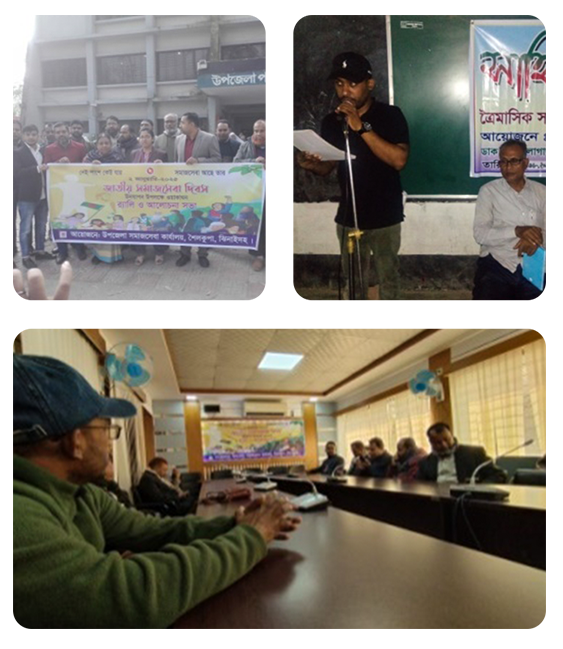
ROOT’s projects—whether it’s the “Path to Equality” initiative for marginalized groups or anti‑drug seminars for youth—share a common thread: they empower people to take responsibility for their own futures. Poverty is no longer seen as an unchangeable fate but as a challenge that can be overcome with knowledge, unity, and opportunity.
Conclusion
ROOT’s journey from poverty to possibility is a reminder that real change begins at the grassroots. By focusing on education, health, and empowerment, they are not just addressing immediate needs but reshaping the future of rural Bangladesh. Their work shows that when communities are given responsibility and support, they can transform hardship into hope. Poverty may be a starting point, but with organizations like ROOT, possibility is the destination.